

Espresso Troubleshooting
Find the problem. Fix the cause. Pull better shots.
Not getting the taste, crema or consistency you want? Start with the quick guides below to find likely causes and what to check first, or follow the complete troubleshooting guide step by step.
Common Espresso Problems
Pick the problem that sounds most like your shot to see likely causes and fixes. Taste and timing are clues, not proof, because beans, roast, water and taste all vary.


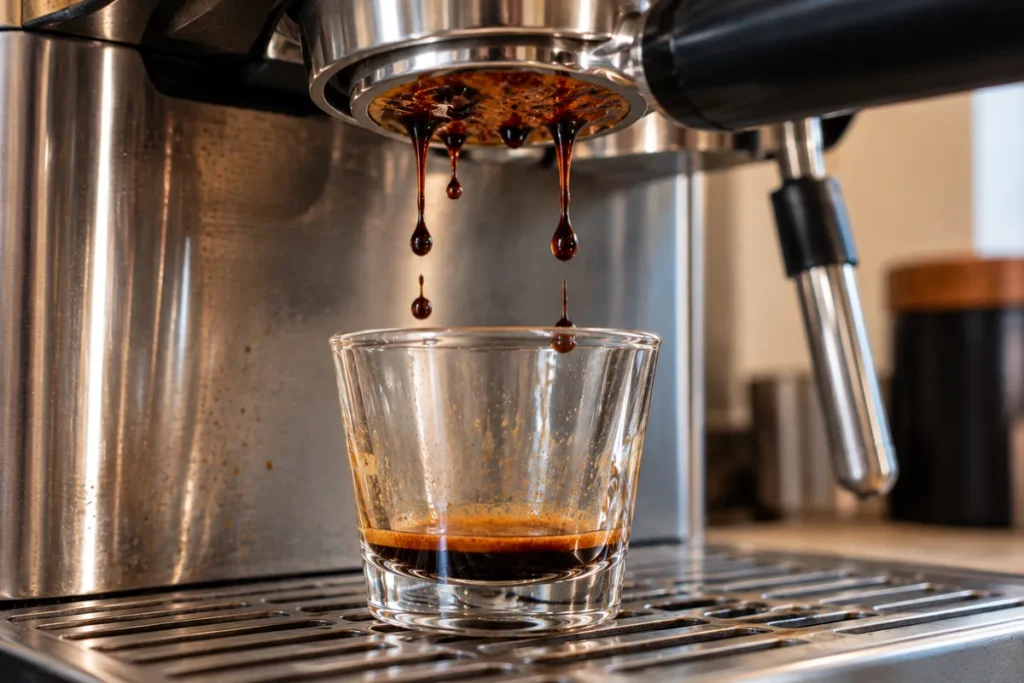

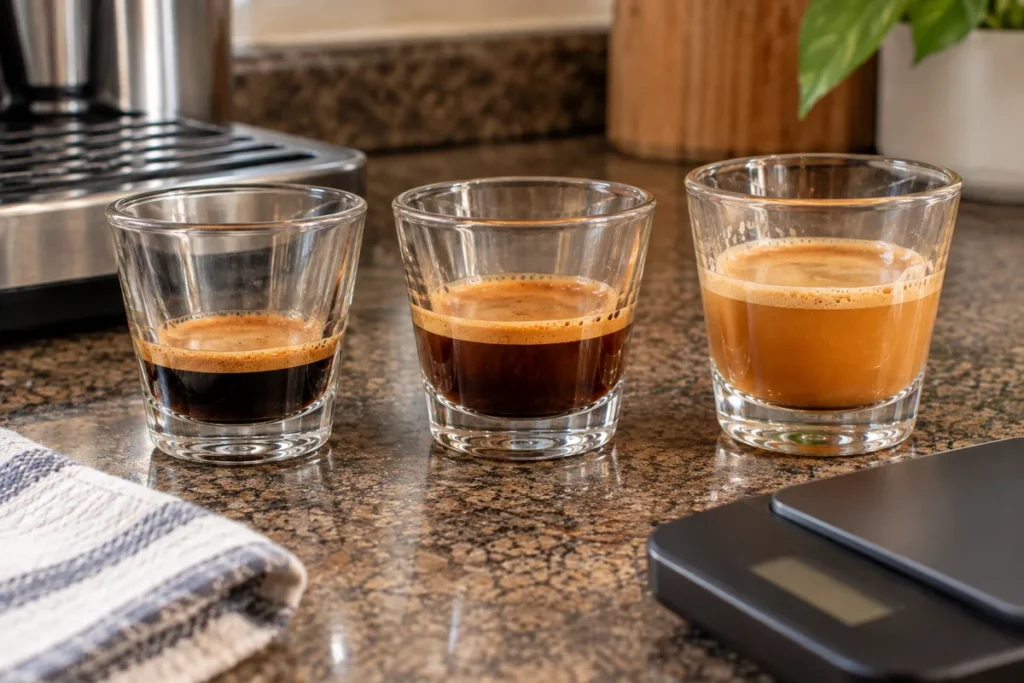
Quick Symptom Guide
Common problems, what often causes them and what to check first. One symptom can have more than one cause, so check one thing at a time.
| Symptom | Likely causes | First check | Next guide |
|---|---|---|---|
| Sour | Often under-extraction: grind too coarse or yield too short. Very light roasts can taste bright even when dialed in | Weigh dose and yield, then grind a little finer | Sour espresso |
| Bitter | Often over-extraction: grind too fine or yield too long. Darker roasts can lean bitter on their own | Weigh dose and yield, then grind a little coarser or pull a little less | Bitter espresso |
| Runs fast | Usually the grind. Also a dose too small for the basket, uneven puck prep or a worn basket | Weigh the dose, then grind finer one small step | Fast, watery shots |
| Runs slow | Grind too fine or a dose too large for the basket. Very light roasts may run longer on purpose | Weigh the dose, then grind coarser one small step | Slow shots |
| Channeling | Clumps, uneven distribution or an uneven tamp. A shot that tastes sour and bitter at once often points here | Watch the flow, then break up clumps and tamp level | Channeling |
| Inconsistent | Unweighed dose, grinder retention, puck prep, bean age, temperature, scale or dirty equipment | Weigh every dose and yield and change one thing at a time | Inconsistent shots |
Weak or watery shot? Start with the espresso taste map.
Fix It in Order
A repeatable sequence for any problem shot. Change one variable at a time and note what you changed, so you know what helped. It's a starting point, not a promise that one pass fixes everything.
Weigh Your Dose
Use a scale and the dose your basket is made for. Keep it the same while you test.
Adjust the Grind
Finer slows a shot down and coarser speeds it up. Move in small steps.
Measure Your Yield
Weigh the espresso that comes out. About 1:2, such as 18g in and 36g out, is a common starting point.
Improve Puck Prep
Break up clumps, distribute evenly and tamp level the same way every time.
Taste and Reassess
Judge the shot by taste, note what you changed, then pick the next single change.
These steps follow the same method as our guide to dialing in espresso. Bean age matters too: many roasters suggest waiting at least 5 to 7 days after roasting before pulling espresso, and lighter roasts often taste better with more rest.

Featured guide
Complete Troubleshooting Guide
A step-by-step process for reading your shot, finding the likely cause and dialing in a better result, including how to tell technique from equipment.
Read the Full Guide
Grinder Issues
Retention, worn burrs, cleaning, and grinders that can't grind fine enough for espresso.
Grinder Troubleshooting Grinder maintenance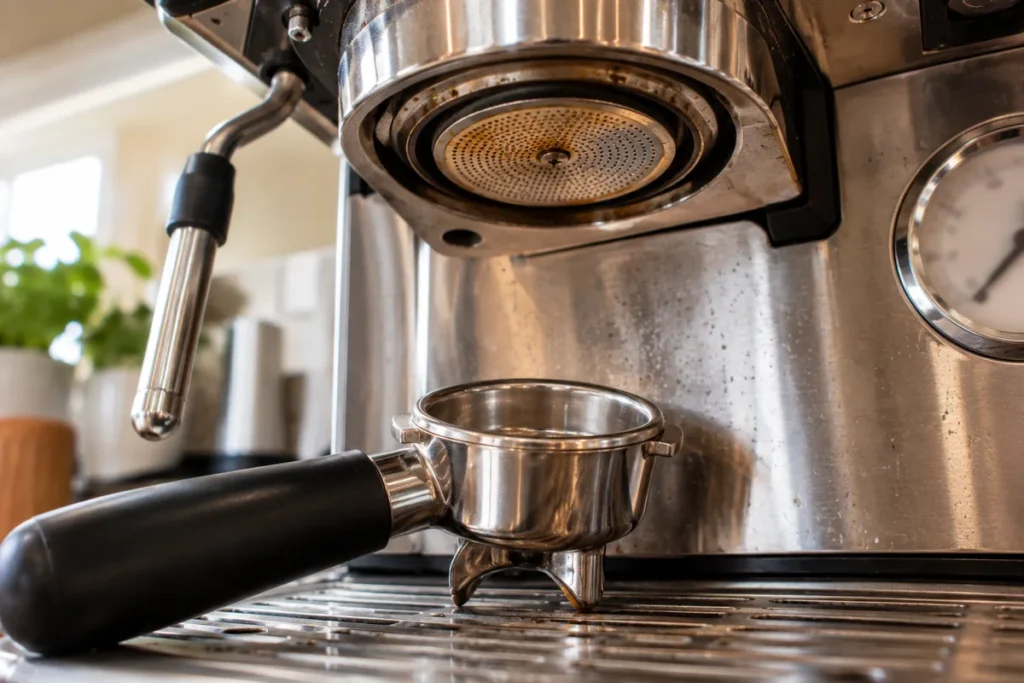
Machine Issues
Temperature, pressure, flow, scale and cleaning. Correct values differ by machine, so check your manual.
Machine Troubleshooting Machine maintenanceSafety first: don't open your machine or attempt electrical or pressure repairs yourself. If the checks in your manual don't solve it, contact the manufacturer or a qualified service technician.
More Troubleshooting Guides
All nine troubleshooting guides on the site.

Espresso Shot Diagnosis Tool: One Fix for Your Next Shot
Answer a few questions, get one change to try.

Espresso Troubleshooting: How to Diagnose Sour, Bitter, and Inconsistent Shots
The step-by-step process.

Why Is My Espresso Bitter? Causes and Fixes
Harsh, dry or ashy shots.

Sour Espresso: Why Your Shot Tastes Sour and How to Fix It
Sharp, thin or lemony shots.

Espresso Channeling: What It Looks Like and How to Stop It
Sprays, spurts and uneven flow.

Wet Puck Espresso: Is It a Problem and How to Fix It
Soupy pucks and when they matter.

Inconsistent Espresso Shots: Why They Vary
Same recipe, different shot.

The Espresso Taste Map: Reading Sour, Bitter, and Balanced Shots
Learn to tell sour from bitter.

Is It Technique or Equipment? A Framework for Telling the Two Apart
When to stop adjusting and check the gear.
Sources: Clive Coffee (troubleshooting guide, fast and inconsistent shots, channeling, tamping myths, bean rest, burr wear, grinder or machine diagnosis), Barista Hustle (Espresso Compass, WDT, puck analysis), Seattle Coffee Gear (soupy pucks, light roasts, puck prep) and Mahlkönig (burr wear). Recipes and machines vary, so treat these as starting points and follow your manual. This hub is research-based, not based on hands-on testing.
Guides are researched from manufacturer manuals, roaster guidance and published coffee science. No sponsorships, no paid placements. Some guides linked here contain Amazon affiliate links, and we may earn a commission at no extra cost to you. See our affiliate disclosure.